
Handmade Rhythms of the Alps and the Adriatic
Welcome to a journey through Alpine‑Adriatic Slowcraft, where mountain villages and seaside towns meet in patient hands and enduring materials. We explore makers who carve, weave, forge, and stitch with seasonal wisdom, regional resources, and cross‑border kinship, inviting you to slow down, learn their rhythms, and carry these values into your own creative practice.
Materials Born of Mountain and Sea
From larch and stone pine weathered by glacial winds to olivewood shaped by coastal sun, materials here hold the biography of the land. Karst limestone, river clay, wild flax, high‑pasture wool, and hand‑harvested sea salt embody traceable origins. Alpine‑Adriatic Slowcraft begins by listening to what each fiber, grain, and vein of stone wants to become, respecting scarcity, celebrating durability, and refusing to rush the quiet conversation between resource and maker.

Wood with Memory
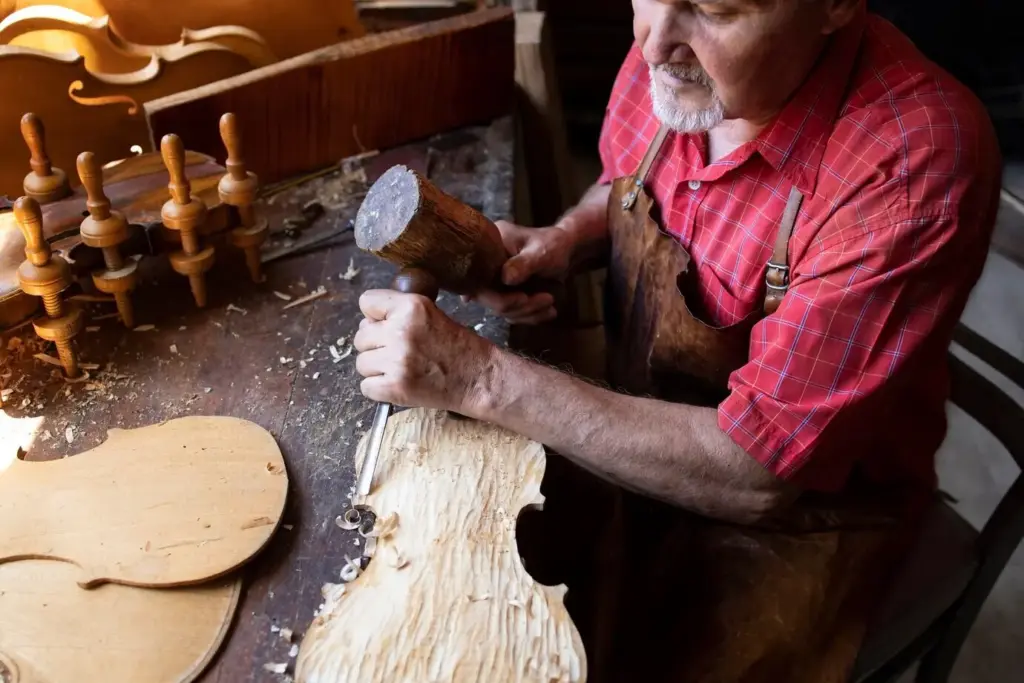
Forests of larch, stone pine, spruce, and chestnut offer boards that remember storms and silence. Many artisans still observe lunar felling calendars, selecting winter‑cut trunks that dry without warping. A Carinthian carver described tapping each plank to hear its note, choosing the one whose resonance matched a bowl’s profile. Such attention yields objects that resist cracking, invite repair, and carry the scent of resin, smoke, and patient winters into everyday kitchens and workshops.
Stone, Clay, and Lime
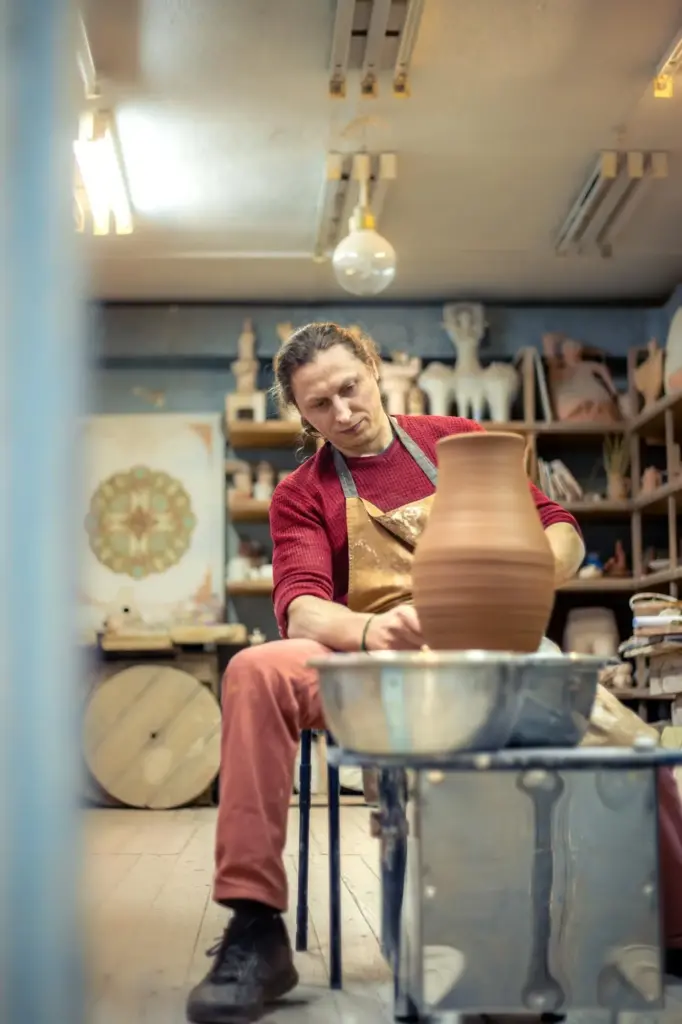
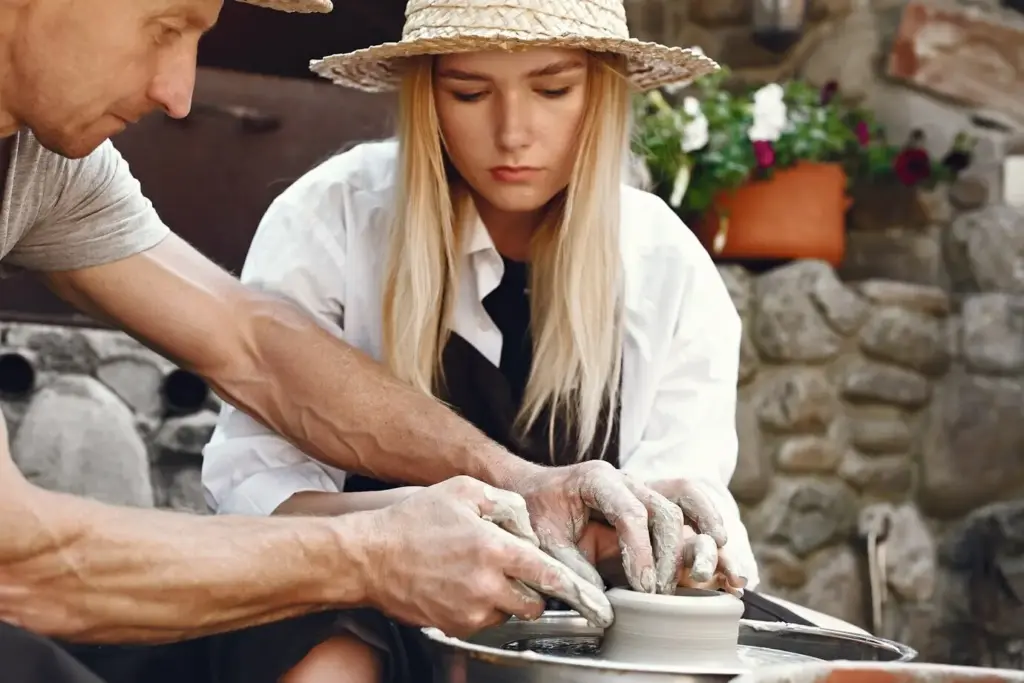
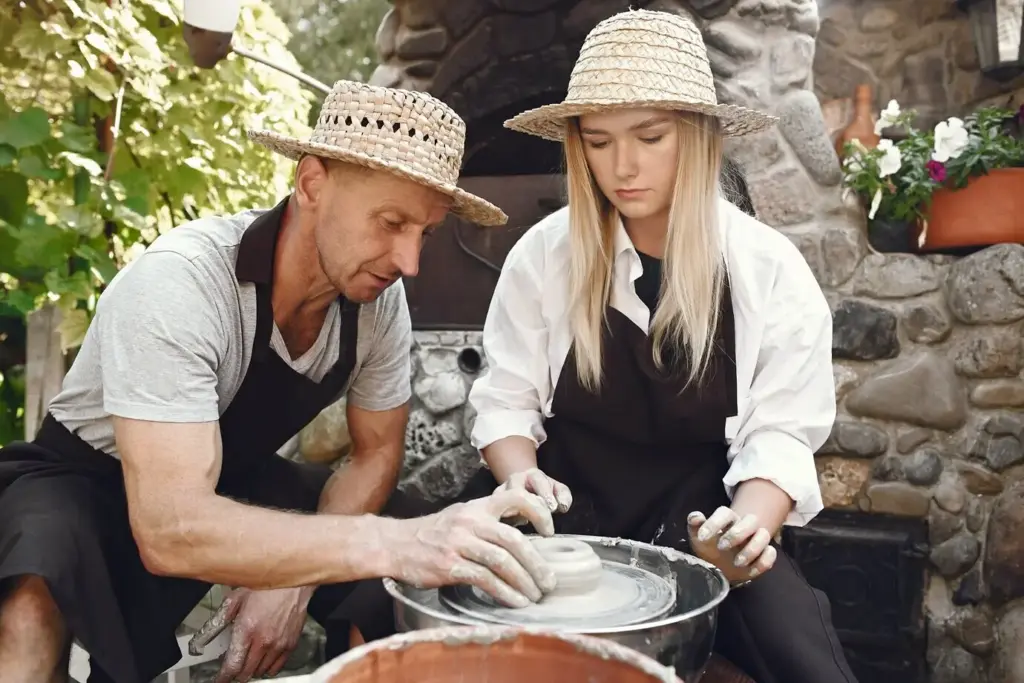
Karst limestone, dense and pale, takes a satin sheen under hand tools, while river clays from Friuli and the Soča basin reward slow throwing and even slower firing. Traditional lime putty, slaked for months, breathes with old walls and new vessels. Dry‑stone walls teach balance without mortar; mosaicists from Spilimbergo compose shards of color that echo alpine scree and terracotta rooftops. These mineral companions insist on time, technique, and humility before geological histories older than stories.
Fibers, Skins, and Salt
High‑pasture wool is shorn when the weather agrees, lanolin preserved for warmth and water resistance. Heirloom flax is dew‑retted in meadows, then broken and hackled into linen that creases handsomely and softens with life. Vegetable‑tanned leather from oak and chestnut bark keeps a faint forest fragrance. Along the coast, salt workers guide brine through clay pans, harvesting crystals only on wind‑blessed days. Every filament and grain invites slowness, stewardship, and tactile gratitude.
Methods That Honor Slowness
The region’s practices revolve around cycles rather than deadlines. Hand planes whisper across grain; foot‑treadle lathes spin to the rhythm of calves; dye vats steep with patience learned from ancestors. Finishes cure in mountain air, and sea breezes dry oiled oars without haste. Seasonality governs availability, shaping designs that accept constraints as muses. Technique here is not nostalgia; it is precision achieved by attention, iteration, repair, and the willingness to become a student of time.
Tools and Tempo
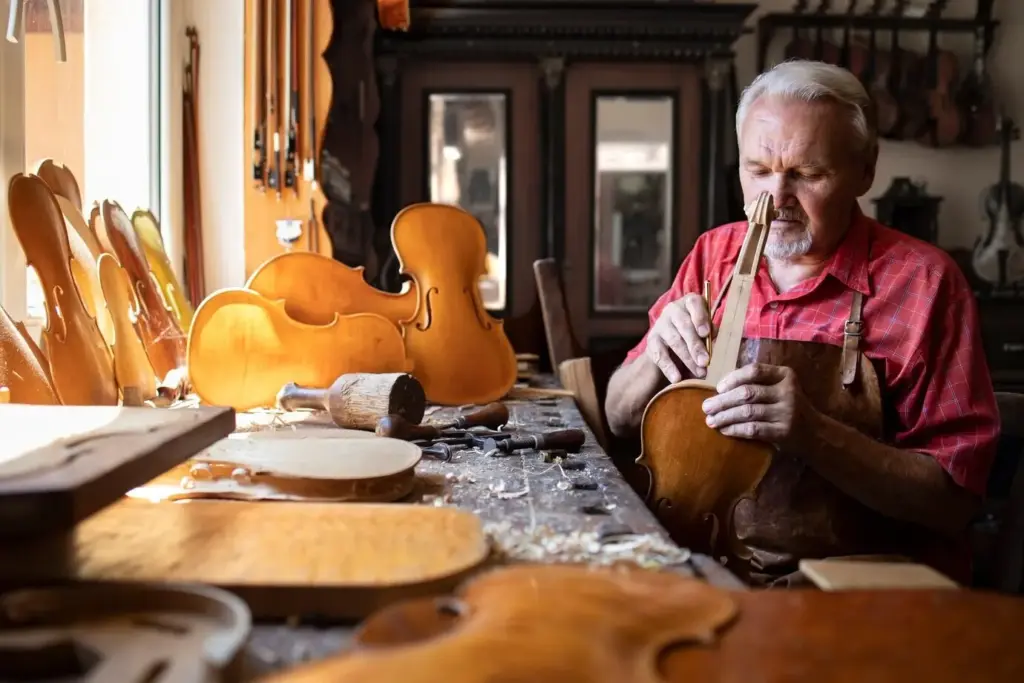
Drawknives, spokeshaves, carving knives, and wooden mallets encourage feedback that sanders mute. Makers often begin days by sharpening, acknowledging edges decide outcomes. A luthier in South Tyrol adjusts a thumb’s pressure until spruce plates sing; a basketmaker in the Vipava Valley soaks willow just long enough to bend, not break. Tempo emerges from muscle memory, the heartbeat of footsteps to the workshop, and the steady metronome of breath between thoughtful passes.
Dyes, Tannins, and Patience
Color comes from walnut husks, madder, woad, and onion skins, coaxed into cloth with alum or iron mordants. Leather deepens under chestnut tannins that lend quiet strength. Some dyers chart temperature changes like weather diaries, noting how a storm shifts indigo’s mood. Wool takes color differently on evenings when hearths are lively; linen insists on extra persuasion. These rituals teach that beauty cooperates with chemistry only when we surrender urgency and cultivate steadiness.
Curing, Fermenting, and Finishing
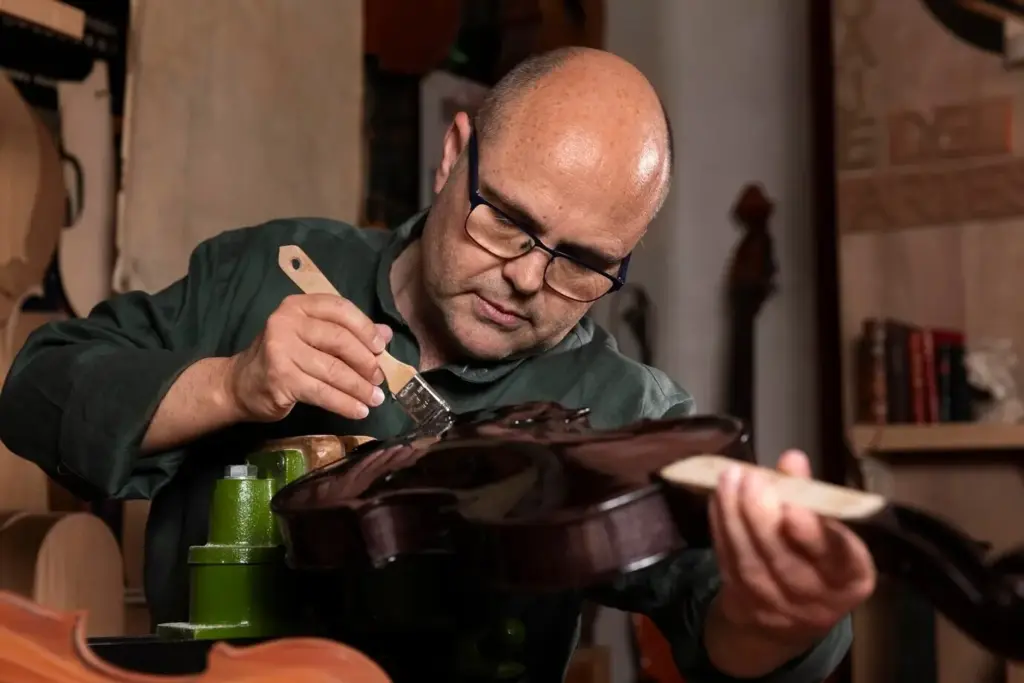
Air‑drying boards under eaves for seasons yields truer dimensions than hurried kilns. Casein paint from skim milk and lime creates matte finishes that breathe and age gracefully. Beeswax and cold‑pressed linseed oil settle into pores over days, not hours, revealing figure rather than obscuring it. Even boat planks appreciate pauses between coats, allowing Adriatic sun to do its quiet work. Slowness is not delay; it is the architecture that gives longevity honest foundations.
Stories From High Pastures and Quiet Harbors
Craft here is biography. Each maker carries valleys, dialects, and crossings at borders that barely exist for neighbors who share bread and techniques. We hear about late‑night weaving after lambing, about rebuilding after floods, about a first market table set with trembling pride. As you read, consider your own lineage of hands and materials, and share a story or question with us; conversations are the lifeblood that lets skills travel kindly and remain alive.
Design Language of Edge Lands
Patterns that Travel
Braids from mountain belts reappear as rope‑like borders on coastal pottery. A star seen on Alpine sleds becomes a compass rose stitched on sailors’ caps. Markets transmit more than goods; they carry visual grammar across languages with nods and smiles. Makers adapt borrowed lines respectfully, crediting neighbors, letting motifs learn new materials without losing dignity. Your own sketches can wander, too; keep a notebook for fragments that want to meet, combine, and become useful.
Colors of Distance and Nearness
Snowfields teach restraint; Adriatic sunsets remind us to dare. Many artisans mix pigments by eye, learning how larch amber warms grays, how a smudge of iron oxide grounds frivolous blues. Natural light reveals undertones galleries sometimes hide. Consider how distance shifts hue perception: a mountain violet becomes almost black at dusk, while salt pans mirror skies into soft whites. Choosing colors here is conversation with weather, stone, and the honest wear of daily handling.
Form Follows Landscape
Handle curves mirror goat paths; boat ribs mimic hillside terraces; stool splay reflects the logic of stability on uneven floors. When geography sets the brief, ergonomics arrive almost by grace. Makers trim excess until a piece sits as calmly as a hut under snow. Try sketching with the constraint of one gesture per line, the way ridgelines decide horizons. You will feel the relief that comes when function and belonging finally agree.
Sustainable Pathways and Local Economies
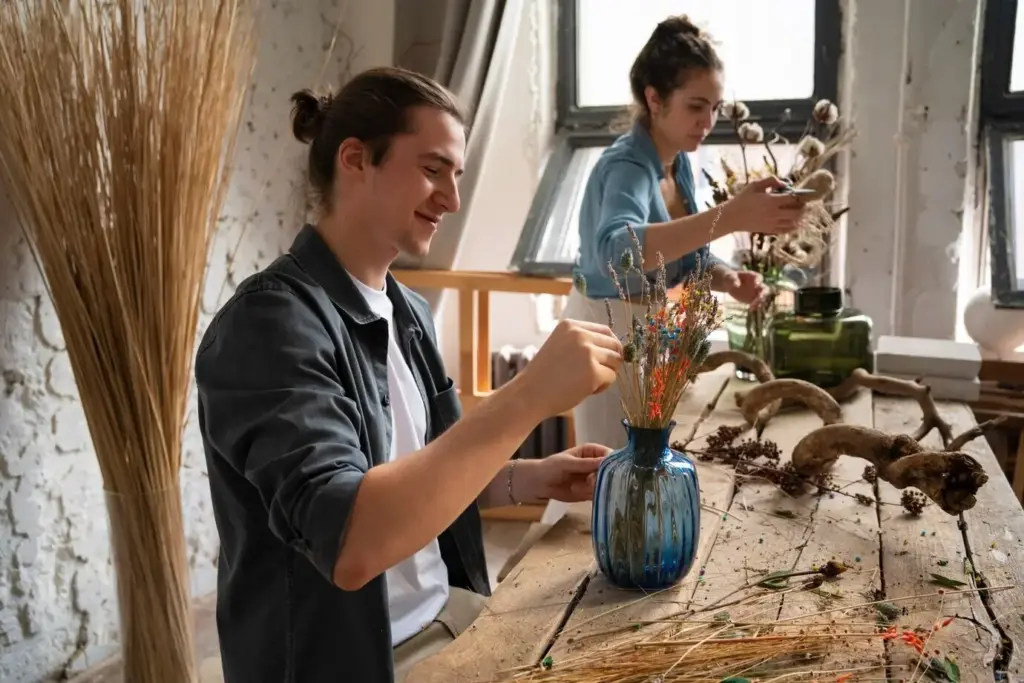
Stewardship here is practical, not performative. Short supply chains reduce guesswork and waste; fair pricing sustains apprenticeships; cooperative workshops share kilns and knowledge. Cross‑border festivals showcase repair, not novelty. Labeling highlights valleys, species, and seasons, enabling informed care by owners who become partners in longevity. This ecosystem thrives when purchases are slower, stories are listened to, and makers receive feedback, orders, and encouragement that let them keep benches warm and communities vibrant.
How to Begin Your Own Practice
{{SECTION_SUBTITLE}}
A Starter Kit With Place Inside
Assemble tools slowly: a good knife, a reliable plane, a real awl, a needle that fits your hand, a notebook for measurements and feelings. Source wood, fiber, or clay from nearby markets; thank the sellers by name. Store materials well, out of haste and damp. Accept that the first ten attempts teach vocabulary. Keep shavings, offcuts, and swatches; they are your library of choices. The kit grows as your questions deepen, not the other way around.
Rituals That Protect the Work
Begin with sweeping, end with oiling edges and writing down what the day taught. Brew mountain herbs or coastal sage to mark transitions. Step outside to watch weather shift, then return to adjust plans accordingly. Stretch hands and gratitude in equal measure. Light matters; so does music at a volume where ideas can breathe. Close with covering pieces against dust, promising to pick up the thread tomorrow. These small fidelities become the shelter courage needs.
All Rights Reserved.