From Highlands to Harbors: Tracing Craft Materials with Heart

Today we explore Materials Atlas: Mapping Wool, Wood, Clay, and Flax Supply Chains from Peaks to Coast, following fibers, grain, mud, and timber from mountain pastures and forests to river docks and ocean ports, connecting craftsmanship, ecology, and honest provenance with practical maps, grounded data, field notebooks, and generous stories that invite you to trace every mile with care and curiosity.

Fleece Journeys: Wool Across Elevations

Begin with dawn frost lifting from mountain slopes as flocks shuffle toward pens, then ride the bale label through scouring plants, carding rooms, and coastal mills. Watch climate, pasture rotation, and breed shape micron counts, while certifications and co-ops negotiate fair pay, animal welfare, and shipping schedules that respect seasons, storms, and the rhythms of rural calendars guiding every crucial decision.

Living Timber: Wood Paths from Forest Shade to Ship Decks

In canopy shadow, foresters weigh habitat, growth rates, and community consent before a single cut. Logs meet saws, sawdust meets boilers, and stacks cure under timers that respect moisture and wind. Certificates like FSC and PEFC travel with paperwork, then forklifts ferry bundles to railheads, barges, and ports, where tides, tariffs, and patience determine whether grain finds its next purpose.

Forest contracts, stewardship, and the rings of time

Walk between trunks older than grandparents and spreadsheets, and hear two clocks argue kindly. One counts decades in cambium layers; the other counts quarters and demand surges. Good practice reconciles both, leaving corridors for elk and mycelium, mapping skid trails to minimize scars, and paying crews on time. A stump can tell whether consent, safety, and long memory were honored.

Sawmills, drying schedules, and the patience of boards

Grinning blades greet logs with plans, not improvisation: yield targets, kerf losses, defects mapped like constellations. Fresh boards sing with water until kilns tutor them toward equilibrium, hour by hour. Too fast, and they cup; too slow, and orders slip. Label guns click, tally sheets confirm volumes, and a future tabletop begins as a disciplined lesson in moisture and restraint.

Earth in Hand: Clay’s Wet Footprint and Fired Memory

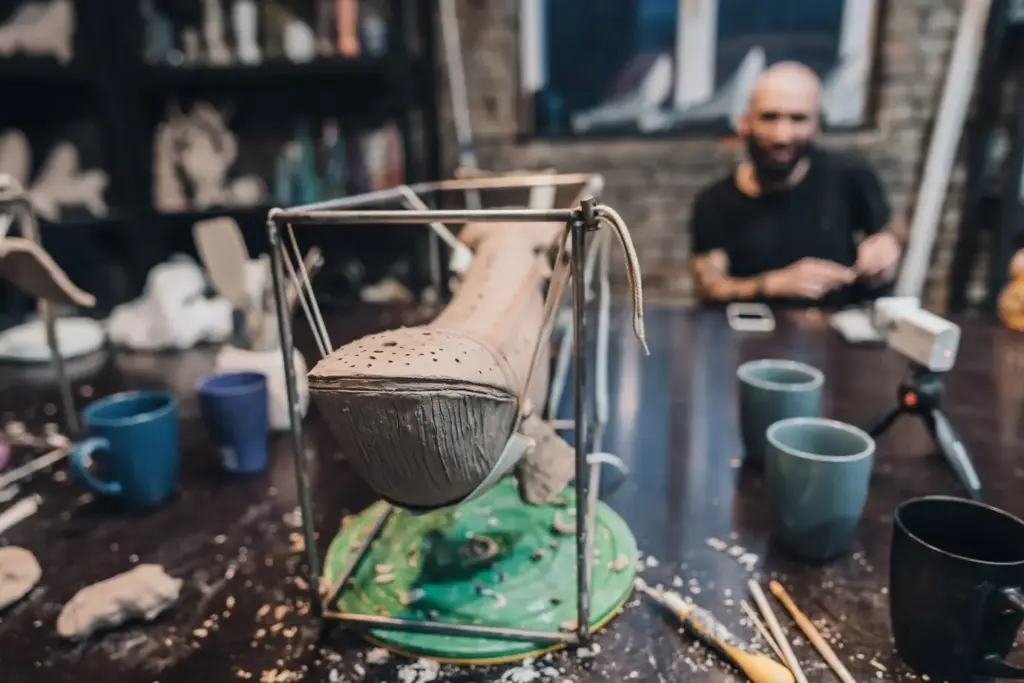
Clay begins as patient geology, lifted carefully to protect waterways and neighbors. Particle size decides personality; kaolin whispers porcelain, while iron freckles promise warmth. In studios and factories, water is stewarded, slurries recycled, offcuts reclaimed. Kilns pulse through cones and curves, committing plastic promise to permanent form. Every cup remembers a hillside, a pipeline, a careful firing schedule.

Quarries, strata, and the hush before extraction

Dawn at the pit sounds like restraint: surveyors check slopes, wetlands buffers, and nesting notices. Buckets bite only within permits drawn from community meetings and hydrology maps. Sediment curtains tame runoff while neighbors receive calendars, not surprises. A loader lifts just enough to keep both margins and birdsong alive, proving that the ground can yield without forgetting its own voice.

Pugmills, wedging tables, and bodies that behave

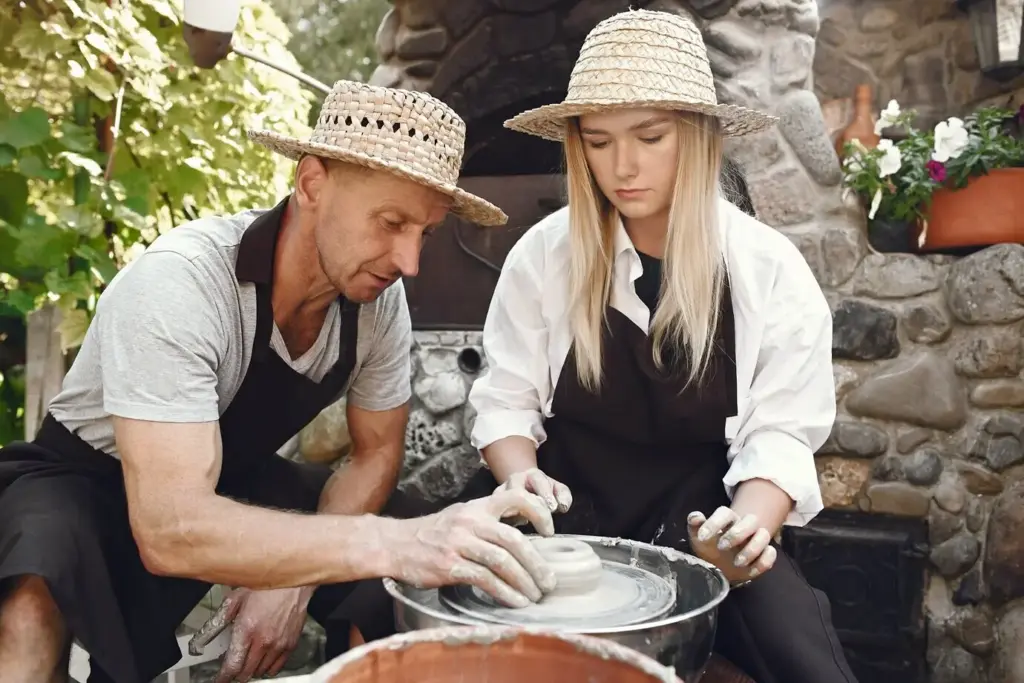
Silt and sand negotiate while grog moderates shrinkage, and chemistry becomes choreography under palms and paddles. Vacuum pugmills smooth stubborn pockets; wedging adds memory and direction. Test tiles line shelves like patient students, awaiting glazes that will either embrace or rebel. Data logs note temperatures and water returns, yet what matters most is repeatable touch born from mindful attention.

Linen Lines: Flax Fields, River Ribbons, and Loom Songs

Blue flowers skim breezes over thin stems, then retting decides character as microbes and moisture tease fibers free. Break, scutch, hackle, and patience form ribbons that prefer steady hands. European Flax and Masters of Linen labels invite discernment. Spinners court consistency, weavers chase clean selvedges, and ports wait for bales that smell faintly of rain and the promise of summer.

A shepherd, a forester, a potter, a spinner: four postcards

One writes about a lambing night saved by neighbors. Another sketches a thinning plan that lets mushrooms return. A third describes a glaze test that finally behaved. The last celebrates a perfect bobbin after weeks of breakage. Pin them on the map, and notice how care travels faster than cargo when we allow craftspeople to annotate our purchasing choices.

Satellites, sensors, and notebooks in jacket pockets

Remote sensing tracks canopy health; moisture probes watch lumber dry; kiln thermocouples sing truths; handheld GPS locks onto ridgelines. Yet none replace a margin note about an unexpected wind or a missed ferry. We reconcile dashboards with human judgment, publish contradictions, and invite readers to question, verify, and celebrate the messy precision that makes supply chains resilient and kind.

Storm charts, insurance maps, and the pulse of logistics
Dispatchers read meteorology like poets, balancing vessel drafts with sandbar rumors. Insurers redraw risk zones, nudging warehouses inland and rerouting seasonal sailings. Communities negotiate noise curfews and living wages. The best plan blends redundancy with humility, staging materials upriver, diversifying carriers, and practicing drills. When a cyclone veers, resilience is measured in both spreadsheets and neighborly phone trees.

Byproducts as beginnings, not bins

Waste becomes inventory when curiosity leads. Scour grease births salves; flax dust stiffens bio-composites; sawdust feeds pellets or mycelium boards; fired shards become terrazzo glint. Mappers trace these side-streams with the same respect as primary goods, calculating energy, transport, and payback. Creativity lengthens value, reduces burden, and writes new chapters where yesterday’s leftovers fund tomorrow’s beautiful utility.
Zerapexivirovelto
Privacy Overview

This website uses cookies so that we can provide you with the best user experience possible. Cookie information is stored in your browser and performs functions such as recognising you when you return to our website and helping our team to understand which sections of the website you find most interesting and useful.